Plumbing · Lewisburg, TN
Technicians document pipe condition with camera footage before and after clearing. Equipment is selected for the pipe material on site. Debris is removed rather than pushed farther down the line.
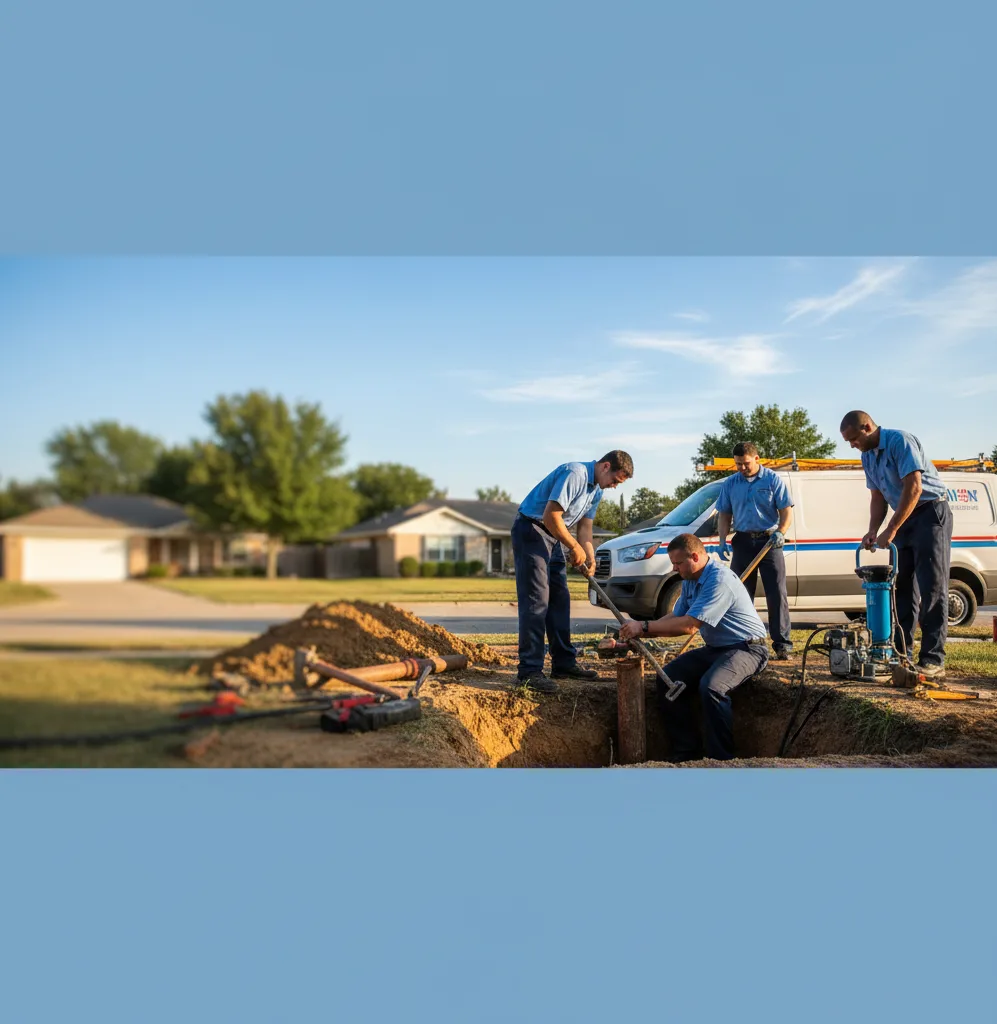
Slow water movement in sinks or tubs often points to partial blockage farther down the line. Gurgling sounds during use can mean air is trapped behind accumulated material. A camera inspection locates the restriction without guesswork. Once the spot is identified, a powered cable or hydrojetting breaks up the obstruction and flushes the debris. The same camera run afterward confirms the pipe is open. Homeowners sometimes notice odors rising from the drain when organic matter sits in place for weeks. Checking each fixture in turn helps narrow whether the problem is local or shared with the main stack. Access points such as cleanouts make it possible to reach deeper sections without cutting into walls or floors.
Soap residue and hair combine in bathroom drains to form a dense mat that catches more solids over time. Kitchen lines collect grease that cools and hardens against pipe walls. Older homes may have sections of cast iron or clay pipe where roots enter through joints. A visual check of the cleanout before work starts shows whether the line has been previously accessed. The crew records pipe material and diameter so the correct head or jet pressure is selected. After clearing, a short flush test with each fixture verifies that water moves freely to the street connection. When the issue persists, sewer line repair restores full flow. Persistent slow drains may also benefit from leak detection to rule out hidden problems. For urgent cases outside normal hours, emergency plumbing teams respond quickly.
The type of ground and water supply around any property influences how waste lines hold up and clear over the years. Properties sit on expansive clay. General upkeep of main lines must account for whatever movement or drainage rate the ground allows.
Weather follows the cycle of hot summers and cold winters, heavy rainfall, and 96 nights below freezing. These elements together determine how often buildup collects inside pipes that serve homes and businesses.
Typical concerns involve expansive clay that shifts with the seasons, a long freeze season and heavy seasonal rain. Regular service keeps lines open regardless of the exact mix of conditions present.
FAQ

Noise usually comes from sediment that has settled at the bottom of the tank and is being heated repeatedly. The sound can range from popping to rumbling depending on how much material has accumulated. Flushing the tank removes most of the sediment and quiets the unit. In some cases the dip tube has broken and is directing cold water directly onto the heating element, which also creates noise.
The task requires shutting off power or gas, draining the tank, and working with electrical connections or gas fittings. Incorrect reassembly can create leaks or safety hazards. Most homeowners lack the specific tools needed to torque the new element correctly. A licensed technician performs the replacement and tests the unit afterward.
The interval depends on local water hardness and how much hot water the household uses. In areas with moderate hardness, once a year is usually sufficient. Homes with very hard water may benefit from flushing every six months. A technician can check the amount of sediment during the first service call and recommend a schedule based on what is found.
Water Heater Repair & Plumber across Lewisburg, TN. Call (888) 205-2213.
Call (888) 205-2213